
A mil is a unit used to measure plastic film thickness. One mil equals 0.001 inch, or approximately 25.4 microns. This measurement is commonly used for poly bags, plastic liners, mailing bags, and industrial packaging film.
Choosing the correct mil thickness helps a bag carry its contents, resist punctures, and survive storage or shipping. If the film is too thin, the bag may fail. If it is unnecessarily thick, the packaging may cost more and use more material than the application requires.
This guide explains mil thickness, gauge conversion, common thickness ranges, and the main factors to consider when selecting a plastic bag.
What Does Mil Mean In Plastic Packaging?
A mil is one thousandth of an inch:
The mil number describes the thickness of the film. A higher number indicates thicker plastic. For example, a 3 mil bag is thicker than a 1 mil bag.
- 1 mil plastic is 0.001 inch thick.
- 2 mil plastic is 0.002 inch thick.
- 4 mil plastic is 0.004 inch thick.
Mil is not the same as millimeter. One millimeter equals approximately 39.37 mil, so confusing the two units can create a major error in a packaging specification.
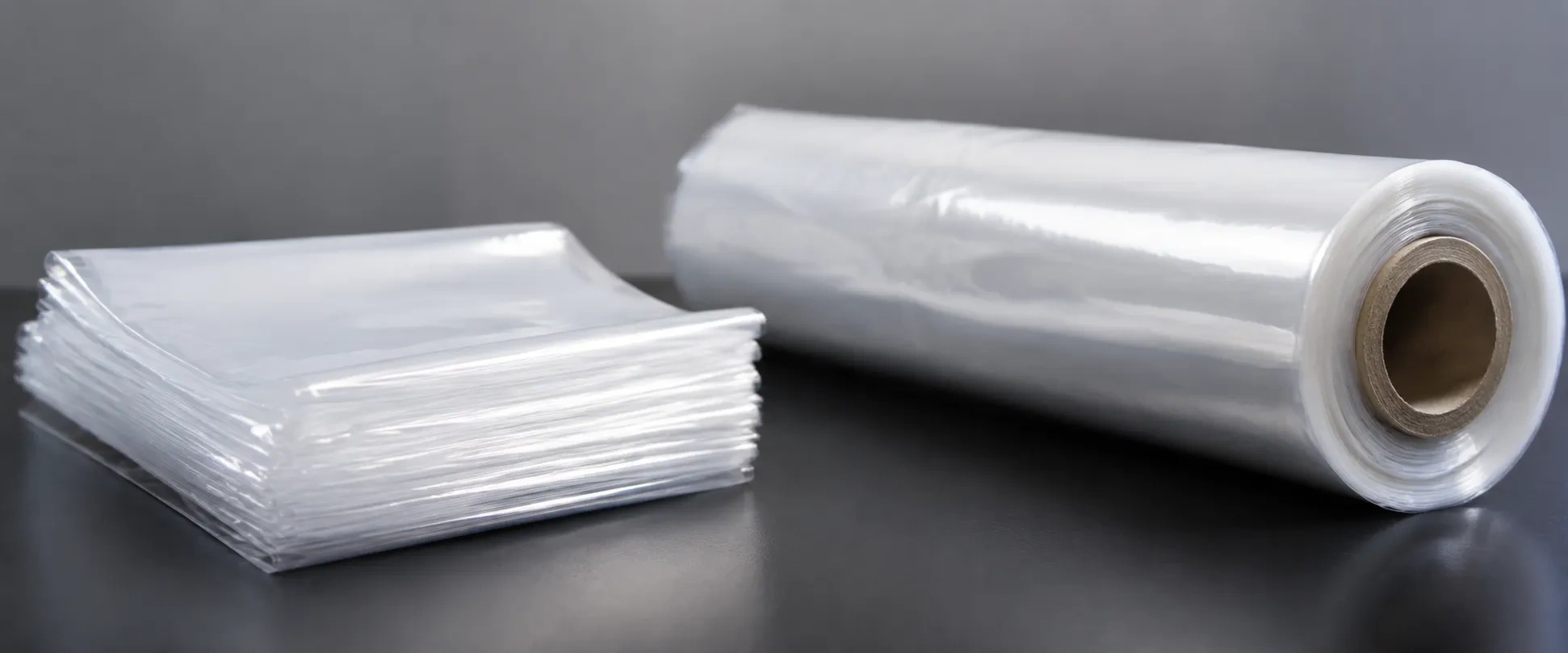
Mil, Gauge, And Micron Conversion
Plastic film thickness may be listed in mil, gauge, or microns. In common poly bag specifications, 100 gauge is equal to 1 mil.
| Mil | Gauge | Inches | Microns |
|---|---|---|---|
| 0.5 mil | 50 gauge | 0.0005 in. | 12.7 microns |
| 1 mil | 100 gauge | 0.001 in. | 25.4 microns |
| 2 mil | 200 gauge | 0.002 in. | 50.8 microns |
| 3 mil | 300 gauge | 0.003 in. | 76.2 microns |
| 4 mil | 400 gauge | 0.004 in. | 101.6 microns |
| 6 mil | 600 gauge | 0.006 in. | 152.4 microns |
Mil is widely used in the United States, while microns are common in metric markets. Listing both values on a custom order makes the required thickness clear.
Nominal Vs. Minimum Film Thickness
Plastic film does not have exactly the same thickness at every point of a production roll. Small variations can occur during extrusion, so it is important to understand how a supplier states the specification.
- Nominal thickness is the target thickness used to identify the film.
- Average thickness is calculated from several measurements.
- Minimum thickness is the lowest permitted measurement under the agreed specification.
If your product requires a strict minimum thickness, confirm the permitted tolerance and inspection method before production. Plastic bag thickness normally refers to one wall of film. Measuring both sides of a flat bag together may produce a result close to twice the stated thickness.
Common Poly Bag Thicknesses and Their Uses
Different products require different levels of protection.
| Thickness | Protection Level | Typical Applications |
|---|---|---|
| 0.5-0.75 mil | Very light duty | Produce bags, dry-cleaning covers, dust protection, and lightweight inner packaging |
| 1-2 mil | Light to general duty | Clothing, retail products, lightweight food packaging, and general storage |
| 3 mil | Medium duty | Hardware, tools, spare parts, and small industrial components |
| 4 mil | Heavy duty | Metal parts, equipment, heavier products, and industrial packaging |
| 5-6 mil | Extra heavy duty | Sharp objects, abrasive materials, bulk products, and demanding industrial applications |
The same thickness can perform differently depending on the bag size, plastic material, seals, and shape of the contents.
How To Choose The Right Mil Thickness
1. Product Weight
Heavier products place more stress on the film and bottom seal. As a starting point, lightweight retail products often use 1-2 mil bags, hardware may require 3-4 mil, and heavy industrial contents may require 4-6 mil.
Bag size also affects the load. A large bag carrying dense products may need stronger film or reinforced seals.
2. Product Shape
Sharp corners, rough surfaces, and pointed parts increase puncture risk. A thicker bag can help, but material selection is also important. Flexible, puncture-resistant film may perform better than a thicker but unsuitable film.
3. Handling Conditions
Consider what happens after the bag is filled. Packaging that is stacked, moved repeatedly, or shipped through a distribution network needs more protection than a bag used for short-term indoor storage.
Temperature, moisture, sunlight, and exposure to oils or chemicals can also affect performance.
4. Material And Seal Strength
Thickness alone does not determine bag strength. Resin quality, film formulation, bottom seals, and side seals all influence performance. A well-made 2 mil bag may be more reliable than a poorly produced 3 mil bag.
5. Sample Testing
Test the proposed bag with the actual product before approving a full order. Fill the bag to its expected weight, lift it, stack it, and reproduce normal shipping or storage conditions.
Check for stretching, punctures, seal failure, and difficulty during filling. If the bag fails, a thicker or stronger film may be needed. If it performs with a large safety margin, a lower thickness may be more efficient.
Why The Correct Thickness Matters
Choosing the correct plastic bag thickness helps balance protection, cost, and material use.
- Reliable protection during storage and transportation.
- Fewer punctures, tears, leaks, and split seals.
- Lower product loss and repacking costs.
- More consistent packaging performance.
- Efficient material use without unnecessary thickness.
The goal is not to choose the thickest possible plastic bag. It is to select the lowest practical thickness that passes testing and provides a suitable safety margin.
Plastic Bag Thickness FAQs
Is a higher mil thicker plastic?
Yes. A higher mil number means thicker plastic. A 4 mil bag has twice the nominal film thickness of a 2 mil bag.
Is 2 mil plastic thick enough?
Two mil plastic is suitable for many retail products, clothing, general storage, and lightweight items without sharp edges. Heavy, sharp, or abrasive products may require 3-6 mil film.
What is a standard plastic bag thickness?
Many general-purpose poly bags are between 1 and 2 mil thick. Industrial plastic bags commonly range from 3 to 6 mil, depending on the load and handling conditions.
Does thicker plastic always mean a stronger bag?
No. Thickness is important, but plastic material, resin quality, bag dimensions, and seal construction also affect strength.
Does mil thickness determine food barrier performance?
No. Moisture and oxygen protection also depend on the materials and layers used in the packaging. Food packaging should be selected according to the product, required shelf life, and barrier performance.
Custom Plastic Bag Thickness Recommendations
Mille Container manufactures custom plastic packaging bags, food packaging bags, mailing bags, industrial plastic bags, stand-up pouches, and plastic packaging film in different materials and thicknesses.
Share your product size, filled weight, bag dimensions, and shipping requirements with our team. We can recommend a suitable thickness and provide samples for testing before full production.