Stand Up Pouches Wholesale
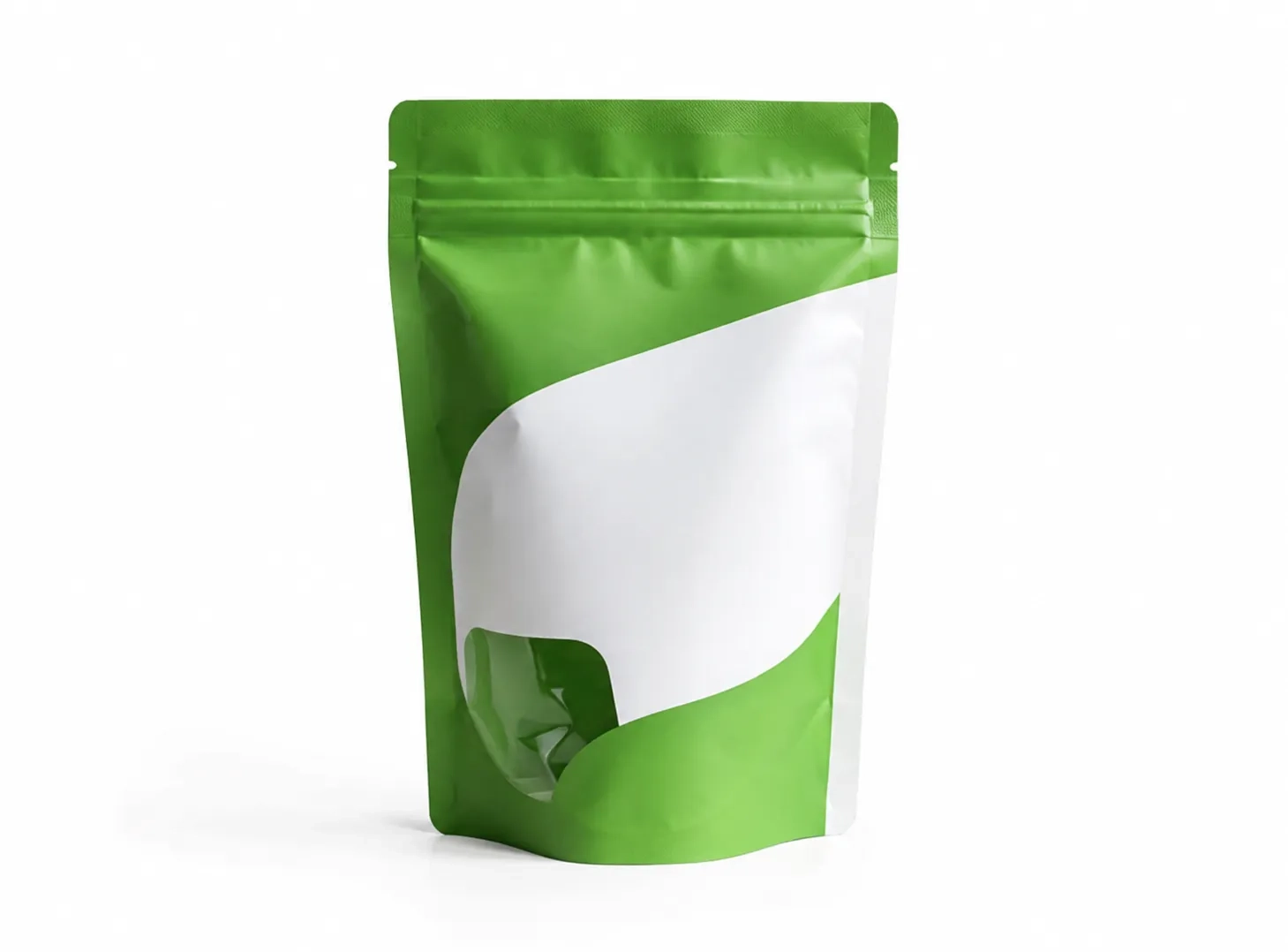
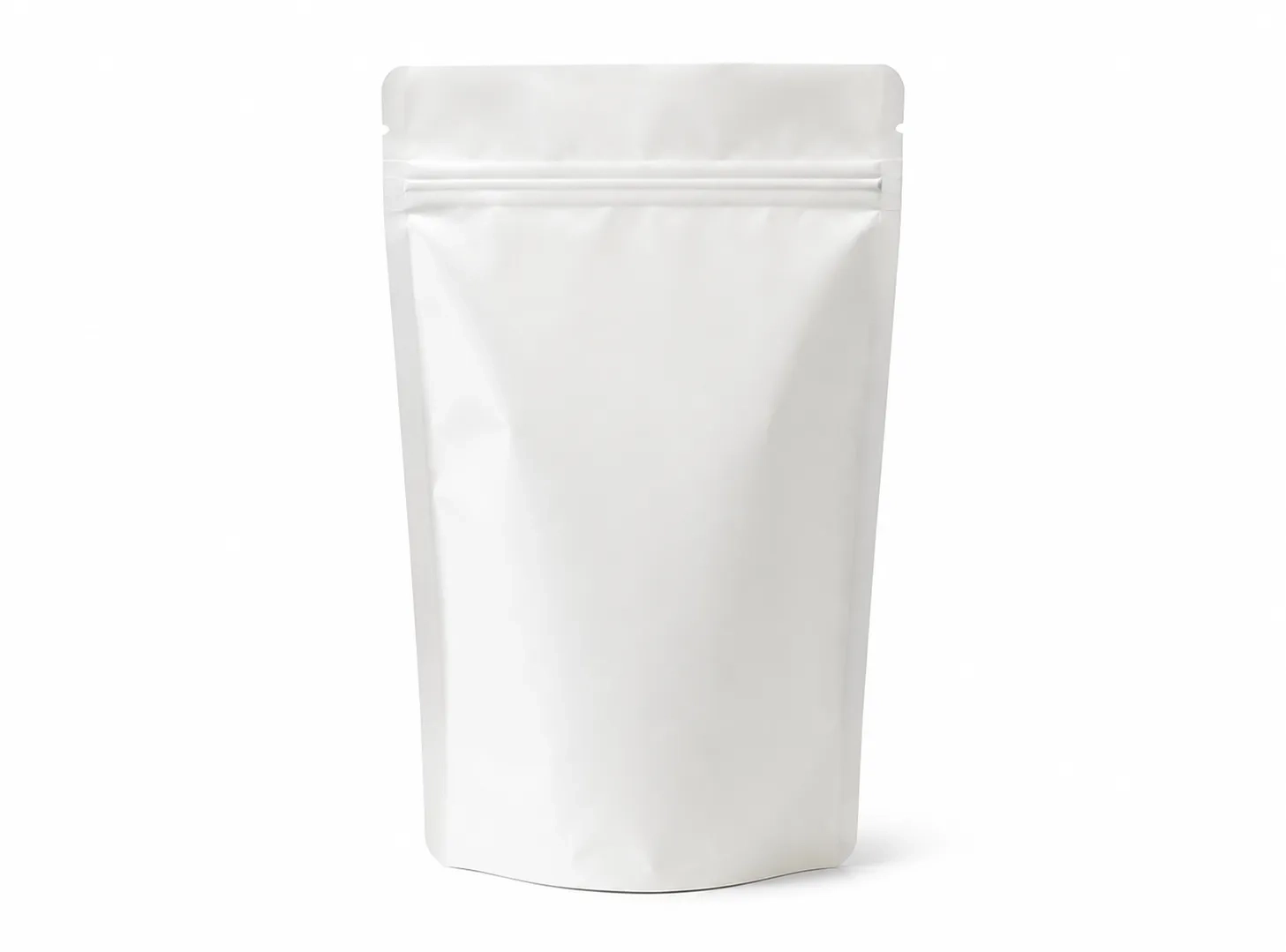
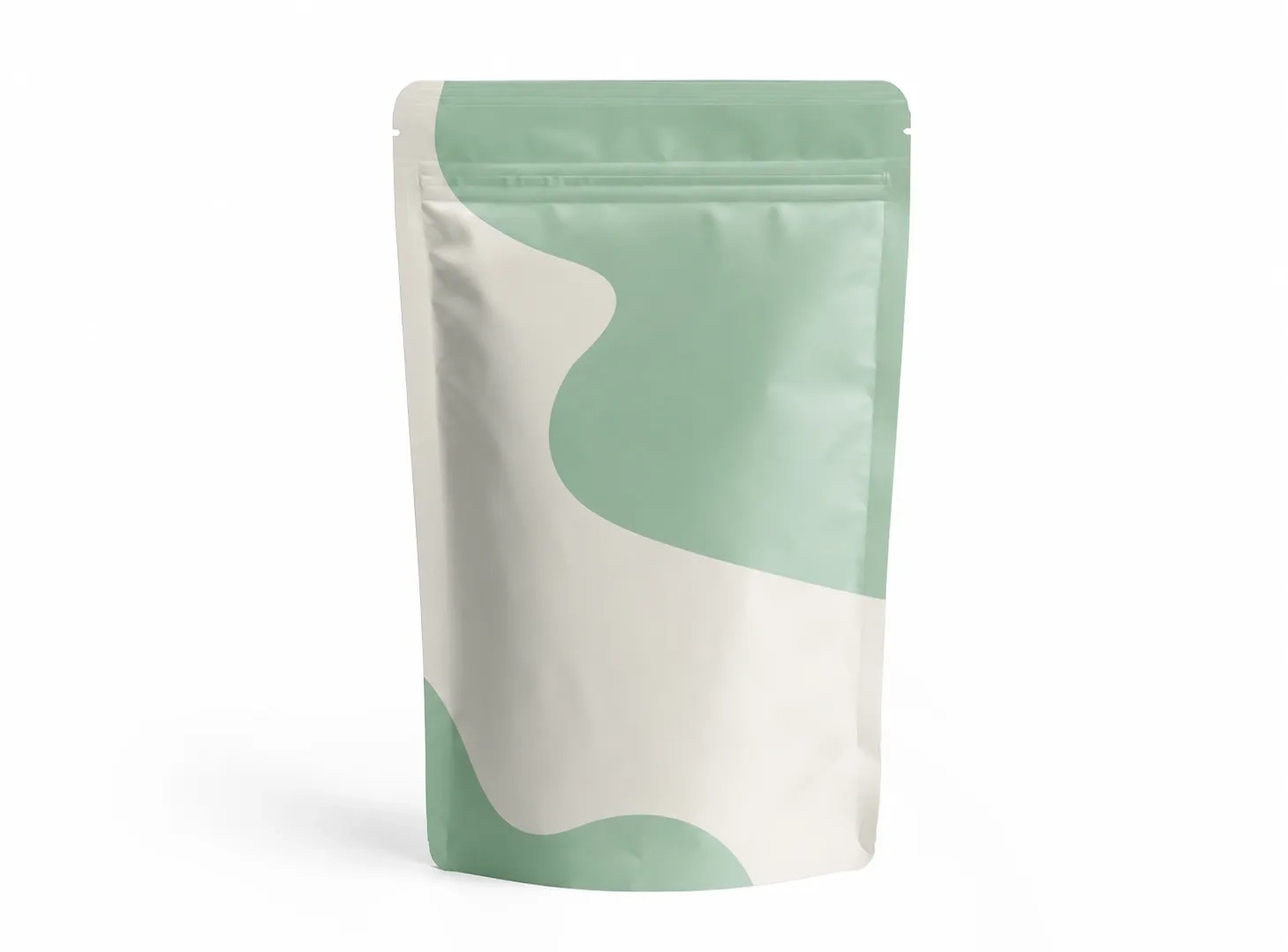
A stand-up pouch is a type of flexible packaging that is able to stand erect on its bottom for display, storage, and convenience.
What Is A Stand-Up Pouch?
A stand-up pouch is a versatile form of flexible packaging engineered to remain upright and stable on retail shelves. Its distinctive bottom gusset unfolds and expands as the pouch is filled, creating a broad, supportive base while maximizing the available storage capacity.
Compared with traditional rigid packaging such as boxes, metal cans, and glass jars, stand-up pouches are generally lighter, more compact, and easier to transport and store. Their practical structure can also help reduce packaging material use, shipping costs, and storage space, making them a convenient and efficient option for a wide variety of products.
Features Of Stand Up Pouches
A folded base panel (like Doyen or K-seal shapes) that unfolds when filled to keep the pouch stable and upright.
Built from 2 to 3 bonded layers (such as PET, foil, nylon, or kraft paper) that prevent punctures and block light, odors, and vapor.
Flat front and back faces that provide wide spaces for high-resolution graphics and product labels.
Stand up Pouches by style
Compostable Stand Up Pouches
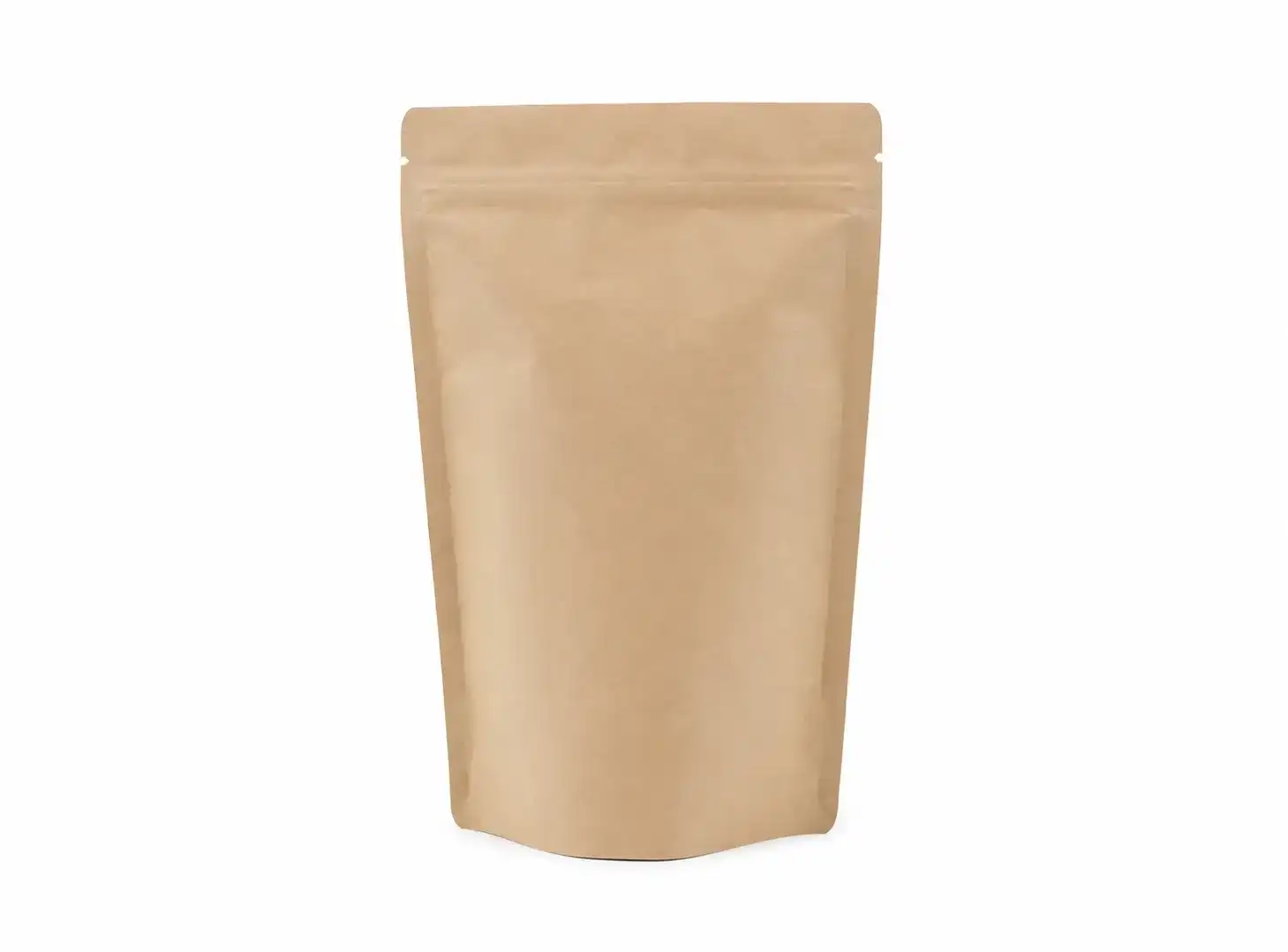
Kraft Stand Up Pouches
Biodegradable Stand Up Pouches
Resealable Stand Up Pouches
Frosted Stand Up Pouches
Foil Stand Up Pouches
Paper Stand Up Pouches
Standing Zipper Pouch
Structure of a Stand-Up Pouch
A stand-up pouch is made by laminating multiple layers of plastic film, aluminum foil, or paper. Each layer provides a specific function, from printing and durability to barrier protection and sealing. The pouch also features an expandable bottom gusset, which opens when filled and creates a stable base, allowing the package to stand upright on retail shelves.
- Outer Layer: Usually made of polyester (PET), oriented polypropylene (OPP), nylon, or kraft paper. It provides a high-quality surface for custom printing and branding while improving puncture resistance and overall durability.
- Middle Barrier Layer: Typically made of aluminum foil or metallized film. It protects the contents from light, oxygen, moisture, and external odors, helping maintain freshness, flavor, and product quality for longer.
- Inner Sealant Layer: Made of food-grade polyethylene (PE) or polypropylene (PP). This layer comes into direct contact with the product and melts during heat sealing to create a strong, secure closure that helps prevent leaks and contamination.
Stand-Up Pouch Types and Functions
- Round-Bottom Stand-Up Pouch (Doypack):
The classic stand-up pouch design features a single-fold bottom gusset that expands to create a stable base. It is widely used for snacks, dried foods, coffee, powders, and other lightweight products. - K-Seal Stand-Up Pouch:
This pouch has diagonal seals at the bottom corners, forming a distinctive “K” shape. The reinforced base improves stability and weight distribution, making it suitable for heavier products or larger-capacity packaging. - Spouted Stand-Up Pouch:
Equipped with a plastic spout and resealable cap, this pouch provides controlled pouring and convenient dispensing. It is ideal for beverages, juices, sauces, liquid detergents, and other liquid or semi-liquid products. - Shaped Stand-Up Pouch:
Custom die-cut into unique curves, product-inspired shapes, or branded silhouettes, this pouch creates a distinctive appearance and stronger shelf recognition. It is an effective choice for brands seeking more eye-catching packaging. - Handled Stand-Up Pouch:
A die-cut handle is added to the top or side of the pouch for comfortable carrying. This format is especially suitable for larger or heavier products, such as laundry detergent, rice, pet food, and other bulk goods.
Stand-Up Pouch Packaging Performance
- Barrier Protection:
The multilayer structure blocks oxygen, moisture, light, and odors, helping maintain freshness and extend shelf life. - Mechanical Strength:
A stand-up pouch provides strong puncture, tear, and drop resistance for safer storage and transportation. - Secure Sealing:
Reliable heat seals help prevent leaks, making the pouch suitable for food, powders, liquids, and chemical products. - Shelf Display:
The bottom gusset keeps the stand-up pouch upright, while its flat surface offers ample space for printing and branding. - Convenience and Sustainability:
Optional zippers allow repeated resealing. Compared with rigid containers, stand-up pouches are lighter and use less packaging material.
Stand-up Pouches Specifications
| Category | Typical Fill Capacity / Weight | Common Size (W × H + Bottom Gusset) | Available Size Range | Material Options | Optional Features |
|---|---|---|---|---|---|
| Small Stand-Up Pouch | 100–250 g / approx. 200 ml | 100 × 160 + 30 mm; 120 × 200 + 40 mm | Custom widths: 60–300 mm; heights: 100–450 mm; bottom gussets: 25–60 mm per side | PET/PE; PET/VMPET/PE (metalized); PET/AL/PE (aluminum foil); Kraft Paper/PE | Resealable zipper, tear notch, spout for liquids, clear window |
| Medium Stand-Up Pouch | Approx. 500 g / 500 ml | 160 × 230 + 80 mm | Custom widths: 60–300 mm; heights: 100–450 mm; bottom gussets: 25–60 mm per side | PET/PE; PET/VMPET/PE (metalized); PET/AL/PE (aluminum foil); Kraft Paper/PE | Resealable zipper, tear notch, spout for liquids, clear window |
| Large Stand-Up Pouch | 750 g–1 kg / approx. 1 L | 180 × 260 + 90 mm to 200 × 300 + 100 mm | Custom widths: 60–300 mm; heights: 100–450 mm; bottom gussets: 25–60 mm per side | PET/PE; PET/VMPET/PE (metalized); PET/AL/PE (aluminum foil); Kraft Paper/PE | Resealable zipper, tear notch, spout for liquids, clear window |
Why Choose Stand Up Pouches?
- Upright display: The bottom gusset keeps stand up pouches upright on retail shelves.
- Large print area: The wide front panel showcases brand graphics and product information.
- Strong barriers: Multi-layer films help protect products from moisture, air, odors, and UV light.
- Resealable zips: Built-in zippers help keep products fresh after opening.
- Light weight: Stand up pouches use less material and help reduce shipping costs.
Stand-Up Pouches Application Scenarios

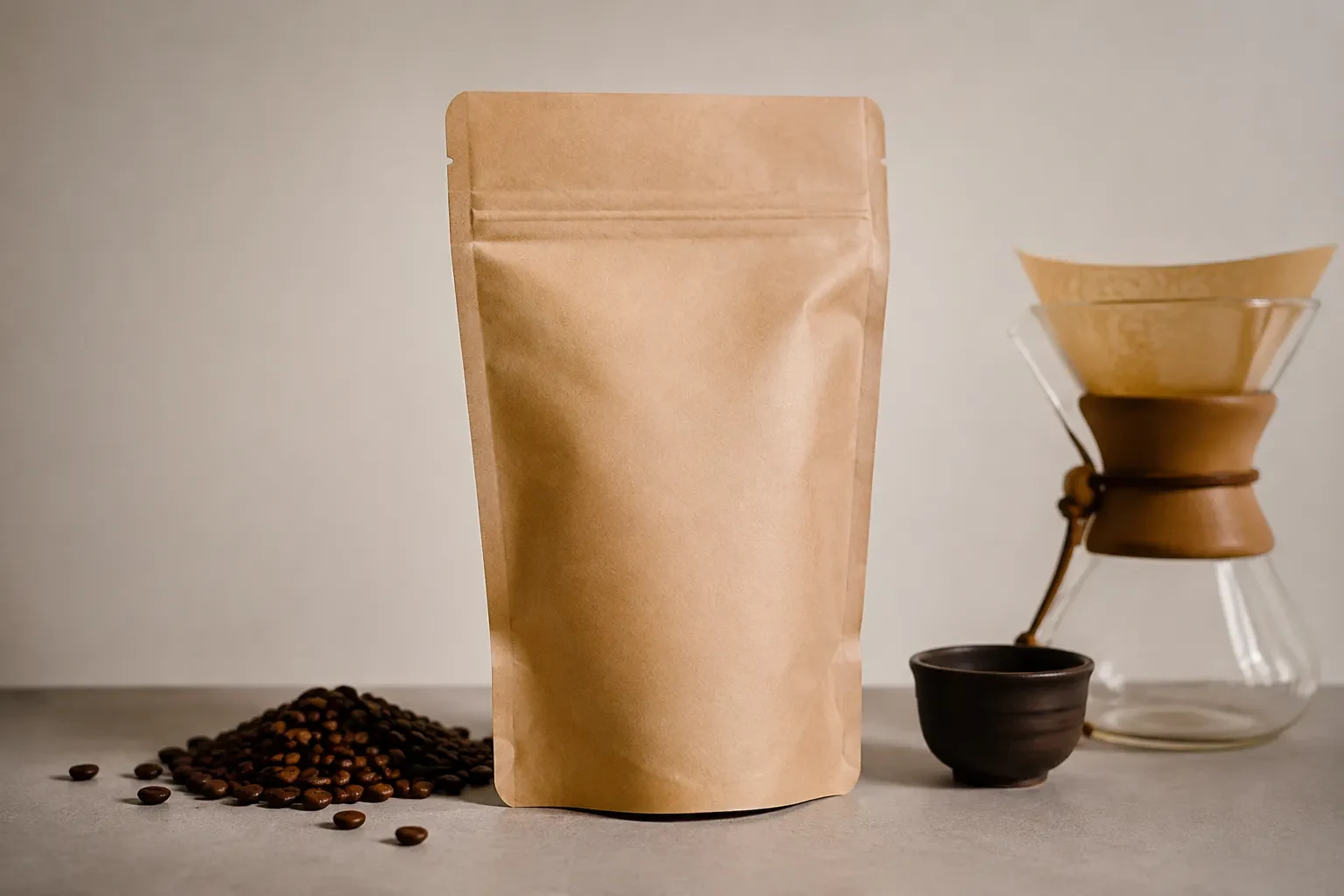
Coffee Stand Up Pouch

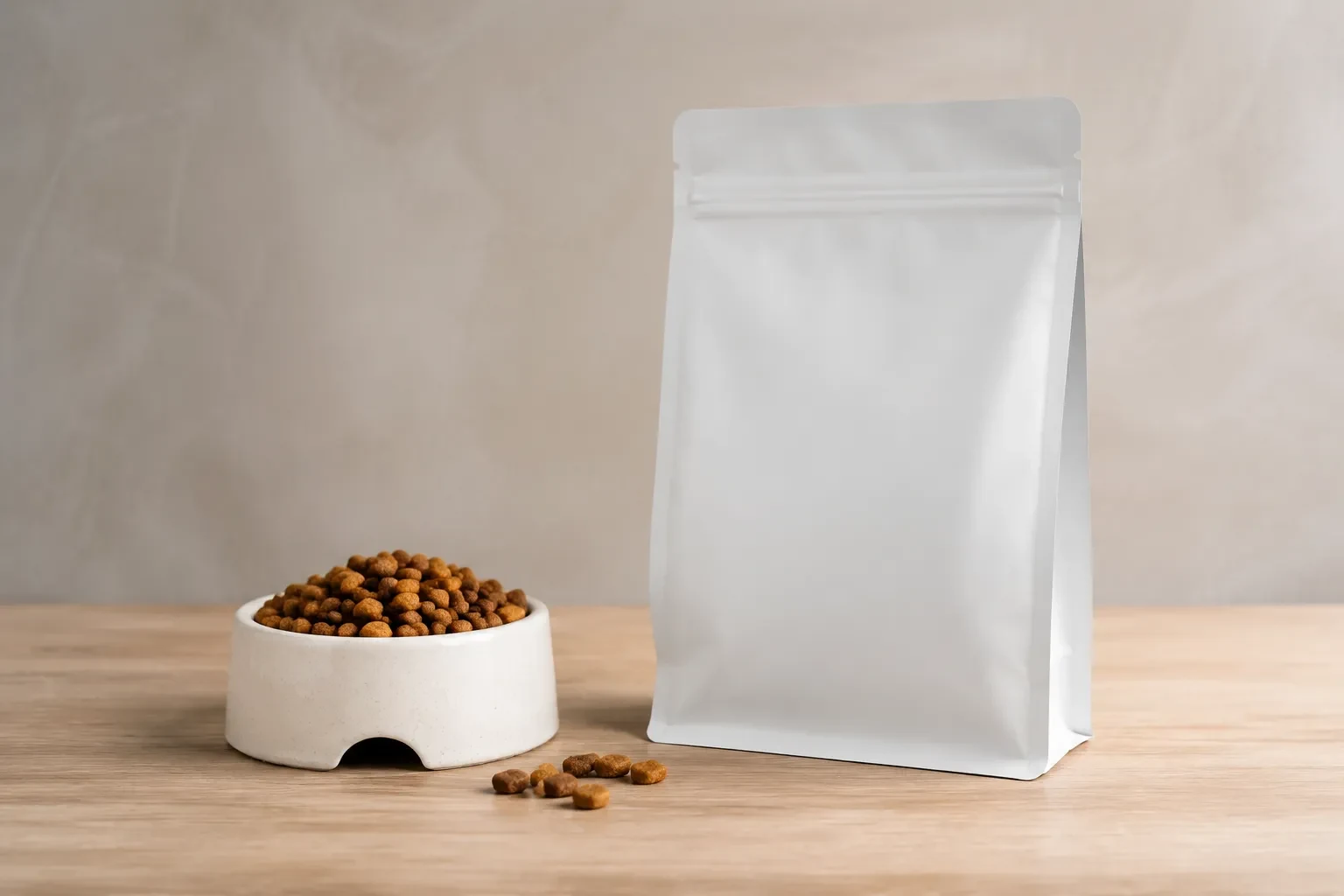
Pet Food Stand Up Pouch

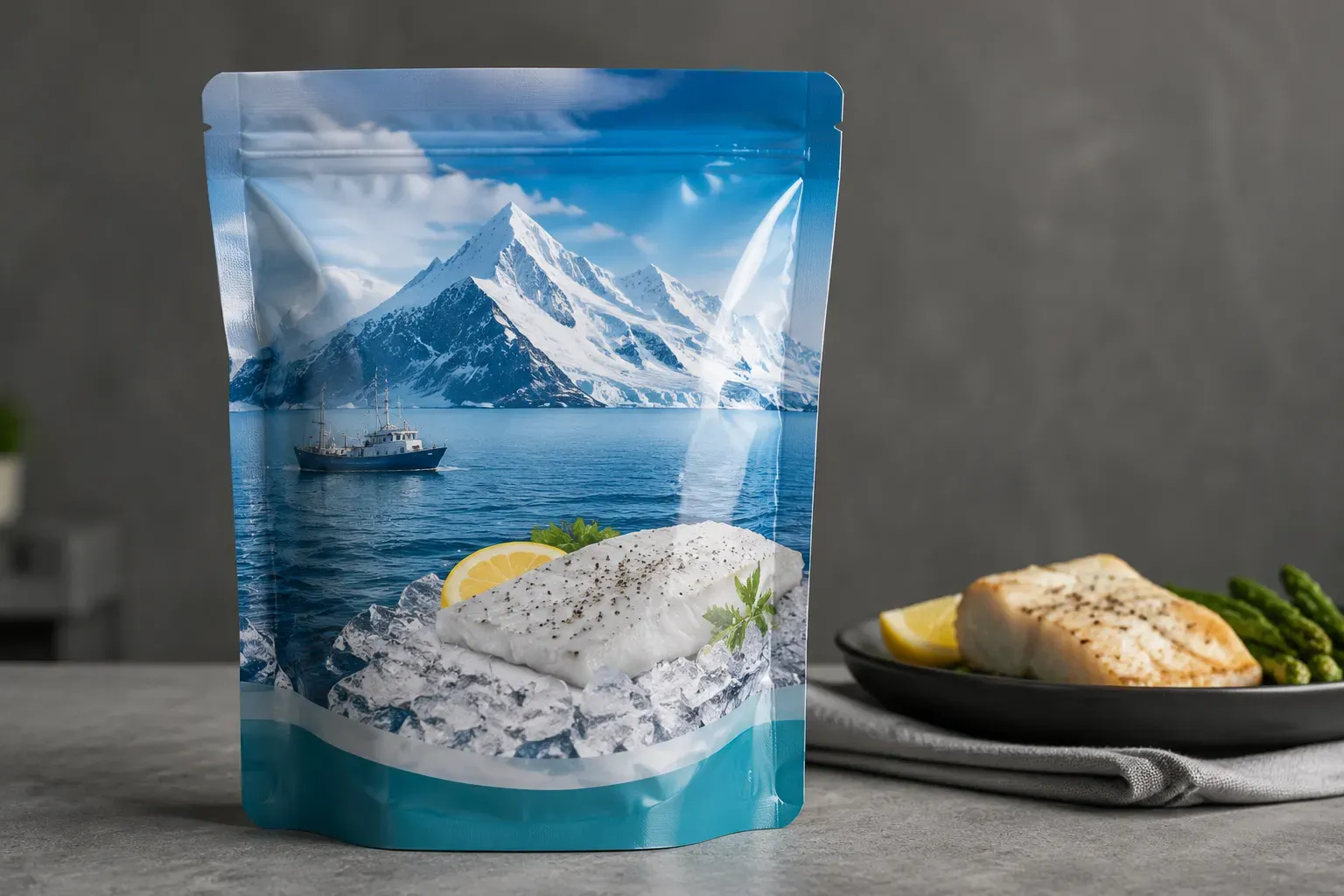
Frozen Food Stand Up Pouch

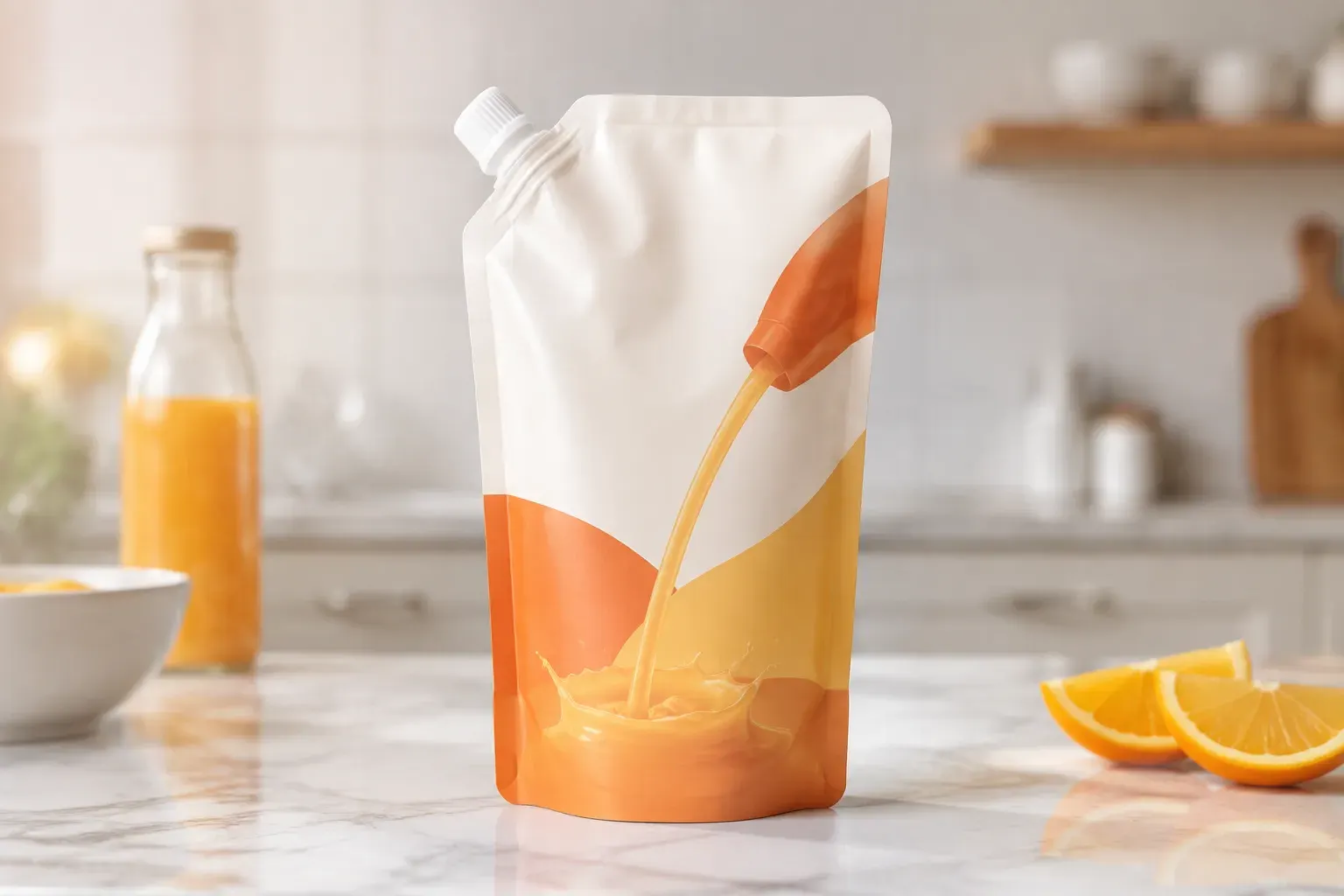
Liquid Stand Up Pouch
Frequently Asked Questions
Related Products
What Products Are Suitable for Stand Up Pouches?
Stand Up Pouches are flexible packaging bags designed to remain upright after filling. They are widely used because they combine a large printable surface, relatively low material consumption, convenient storage, and easy opening and resealing options.
Food and Beverage
Stand Up Pouches are especially common in food packaging:
- Nuts, seeds, dried fruit, and trail mixes
- Potato chips, snacks, and popcorn
- Coffee beans, ground coffee, and tea
- Pet food, pet treats, and animal feed
- Rice, grains, pasta, and cereals
- Candy, chocolate, and bakery products
- Spices, seasoning blends, and soup mixes
- Sauces, condiments, purees, and ready-to-eat foods
- Frozen fruit, frozen vegetables, and other frozen foods
The pouch structure can be adapted to the product. A high-barrier laminate may be selected for coffee, snacks, and other products that are sensitive to oxygen, moisture, light, or aroma loss. A transparent window can be added when product visibility is important. For liquids and semi-liquids, the pouch can be fitted with a spout, cap, or other dispensing closure.
Household and Personal Care
Stand Up Pouches are also suitable for non-food products:
- Laundry detergent and fabric softener
- Cleaning concentrates and household chemicals
- Shampoo, conditioner, body wash, and liquid soap
- Hand sanitizer and cosmetic refills
- Bath salts and personal care powders
- Garden products and some agricultural treatments
In these applications, material compatibility and seal strength are particularly important. The packaging must resist the chemical properties of the contents, prevent leakage, and remain easy to handle during pouring or dispensing.
Industrial and Specialty
Stand Up Pouches can package products such as powders, pigments, small hardware items, medical supplies, and specialty chemicals. For products with sharp edges or significant weight, the film thickness, laminate construction, bottom design, and sealing conditions must be carefully evaluated.
How Does the Bottom Structure Make the Pouch Stand?
The standing function comes mainly from the bottom construction. Unlike a simple flat pouch, a Stand Up Pouch includes a gusseted or folded bottom that expands when the pouch is filled.
The Bottom Gusset
A common design uses a bottom gusset made from flexible film. Before filling, the gusset is folded inward, so the pouch remains relatively flat. When the product enters the pouch, the contents push the front and back panels apart. The folded bottom then opens and forms a broader base.
This expanded base distributes the weight of the product over a larger area. Once the pouch is placed on a level surface, the bottom acts as a supporting platform while the filled contents help lower the center of gravity.
Heat-Sealed Bottom Edges
The bottom gusset is joined to the pouch panels through heat-sealed areas. These seals must be strong enough to carry the weight of the filled package. They also need to remain continuous and leak-resistant, especially when the pouch contains liquids, fine powders, or products with sharp particles.
The exact seal arrangement varies by pouch design. Some pouches use a classic Doyen-style bottom, while others use a K-seal, plow bottom, or another reinforced gusset configuration. Each structure affects the pouch’s stability, usable volume, appearance, and production requirements.
Shape, Filling, and Balance
A pouch does not stand only because it has a bottom gusset. Its performance also depends on several related factors:
- The width and depth of the bottom gusset
- The stiffness and thickness of the film
- The weight and distribution of the product
- The shape of the filled pouch
- The quality and position of the seals
- The flatness and levelness of the supporting surface
A wider or better-formed base generally improves stability, but it also changes the amount of material used and the pouch’s appearance. A package containing liquid may need a different bottom design from one containing lightweight snacks. For this reason, the pouch structure should be tested with the actual product and filling conditions.
Stand Up Pouch Compared With Other Bag Types
Stand Up Pouch, Flat Pouch, Side Gusset Bag, and Quad Seal Bag are related flexible packaging formats, but they are not interchangeable. They differ in bottom construction, side structure, appearance, filling behavior, and typical applications.
Stand Up Pouch vs. Flat Pouch
A Flat Pouch usually consists of two flexible panels sealed around the edges. It has no expanded bottom, so it normally lies flat before and after filling. It is often used for single servings, sample packs, sauces, wipes, powders, and other products where upright presentation is unnecessary.
A Stand Up Pouch has a bottom gusset that opens during filling and allows the package to stand. It generally offers better shelf visibility and can provide more usable volume within a similar footprint.
| Feature | Stand Up Pouch | Flat Pouch |
|---|---|---|
| Bottom structure | Gusseted or formed standing bottom | No standing gusset |
| Presentation | Stands upright on a shelf | Usually lies flat or requires support |
| Capacity | Commonly suitable for medium and larger retail sizes | Often used for smaller portions |
| Consumer handling | Easy to display, carry, and reseal | Simple and lightweight |
| Typical applications | Snacks, pet food, coffee, sauces, refills | Samples, sachets, small portions, wipes |
Stand Up Pouch vs. Side Gusset Bag
A Side Gusset Bag has folded gussets along its left and right sides. These gussets expand as the bag is filled, increasing its capacity and creating a broader package shape. Many side gusset bags have a flat bottom, but the bag may still require external support unless its bottom has been specifically designed for standing.
Stand Up Pouches usually rely on a bottom gusset and are designed for upright retail presentation. Side Gusset Bags generally emphasize side expansion and high-volume filling. They are common for coffee, pet food, bulk food, and other products that need additional capacity.
The practical distinction is the location and purpose of the gusset. A Stand Up Pouch uses its bottom structure primarily to create a stable base. A Side Gusset Bag uses side folds primarily to expand the package and increase its volume. Some packaging designs may combine features from both formats, so the final construction should be confirmed from the technical drawing rather than from the product name alone.
Stand Up Pouch vs. Quad Seal Bag
A Quad Seal Bag has four separately sealed corners, usually created by sealing both the front and back panels to side gussets and forming distinct vertical corner seals. This construction gives the bag a box-like shape with strong dimensional stability.
Quad Seal Bags are often selected for heavy or high-volume products. Their flat sides provide broad printing areas, while the four-corner construction helps the package maintain its shape during transportation and stacking. They are widely used for coffee, pet food, agricultural products, and bulk dry goods.
Compared with a typical Stand Up Pouch, a Quad Seal Bag generally offers:
- More rigid, box-like package geometry
- Stronger shape retention for heavier contents
- Multiple broad panels for branding and product information
- Greater material use and more complex manufacturing
- Better suitability for stacking in some applications
A Stand Up Pouch is usually lighter, more flexible, and more economical for products that do not require a highly rigid package. It is often more convenient for resealable retail products and smaller pack sizes. A Quad Seal Bag may be a better choice when structural strength, shelf blocking, and high-volume filling are the primary priorities.
Choosing the Right Stand Up Pouches
The best bag style depends on more than shelf appearance. Product characteristics, package size, filling equipment, distribution conditions, and consumer use all influence the decision.
For a lightweight product sold in a convenient retail size, a Stand Up Pouch may provide the right balance of stability, portability, and material efficiency. For a small single-use portion, a Flat Pouch may be simpler and more cost-effective. For high-volume products requiring side expansion, a Side Gusset Bag may be appropriate. For heavy products or packages that need a firm, box-like shape, a Quad Seal Bag may offer better performance.
How to Customize Your Packaging Bags?
- Color: Choose from a range of standard colors, or request a custom color to match your product or brand.
- Printing: Add your logo, product information or custom artwork. Please provide your design file and printing requirements.
- Bag Type: Select the bag structure based on your product, packing process and intended use.
- Material: Material options include plastic, compostable materials, kraft paper and other packaging materials.
- Thickness: Thickness can be adjusted according to the product weight, required strength and application.
- Size: Custom sizes are available. Please provide the width, height and gusset dimensions where applicable.